
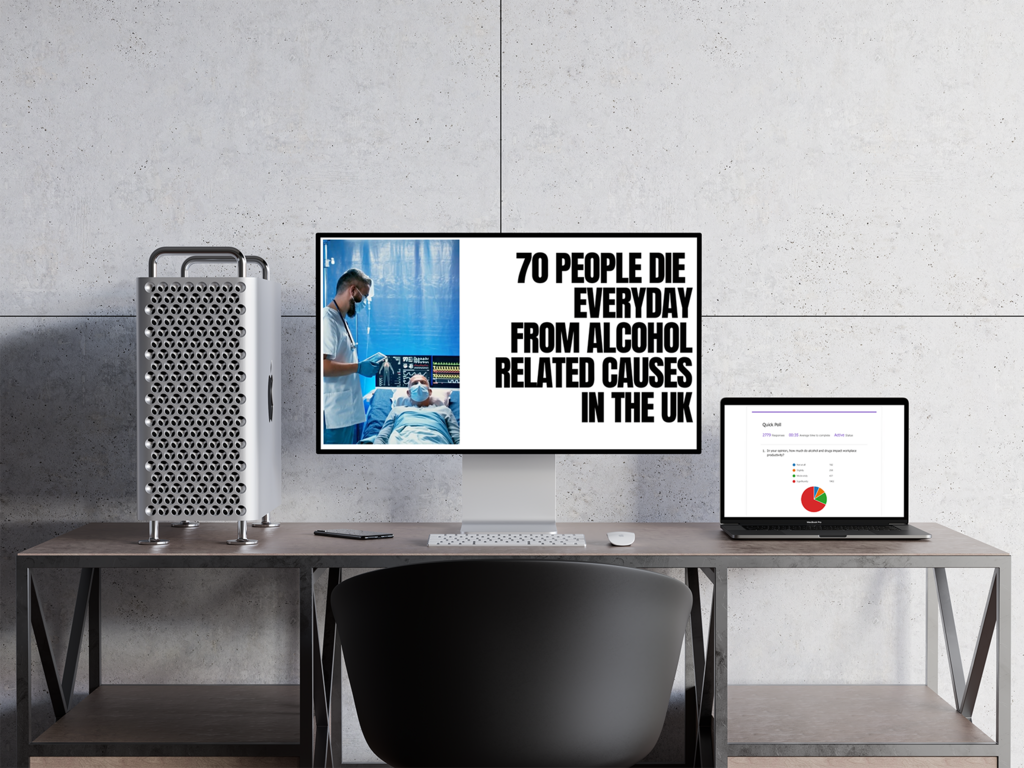
Alcohol and Drug Awareness
This project involved a comprehensive redesign and redevelopment of an existing Alcohol and Drug Awareness eLearning course for Places for People, a large housing and leisure organisation. The original course, built in Articulate Rise 360, was outdated in both content and presentation. The objective was to transform it into a modern, engaging, and impactful learning experience that is concise, under 15 minutes in duration, incorporates collaborative features, and utilises contemporary, future-proof video content. Leveraging over 20 years of expertise in instructional design and eLearning development, this project focused on creating a learner-centric module that effectively addresses a critical compliance and well-being topic within a tight timeframe, while also laying the groundwork for continuous improvement through data analysis and learner feedback.
Places for People
2024
eLearning
End-to-End Development
Problem
Places for People required an updated Alcohol and Drug Awareness training module. The existing course suffered from several key issues:
- Outdated Content and Format: The information and overall structure were no longer current or aligned with modern pedagogical approaches.
- Lack of Engagement: The course failed to effectively capture learner attention or facilitate meaningful interaction.
- Excessive Duration: The length of the course was a barrier to completion and knowledge retention in a busy operational environment.
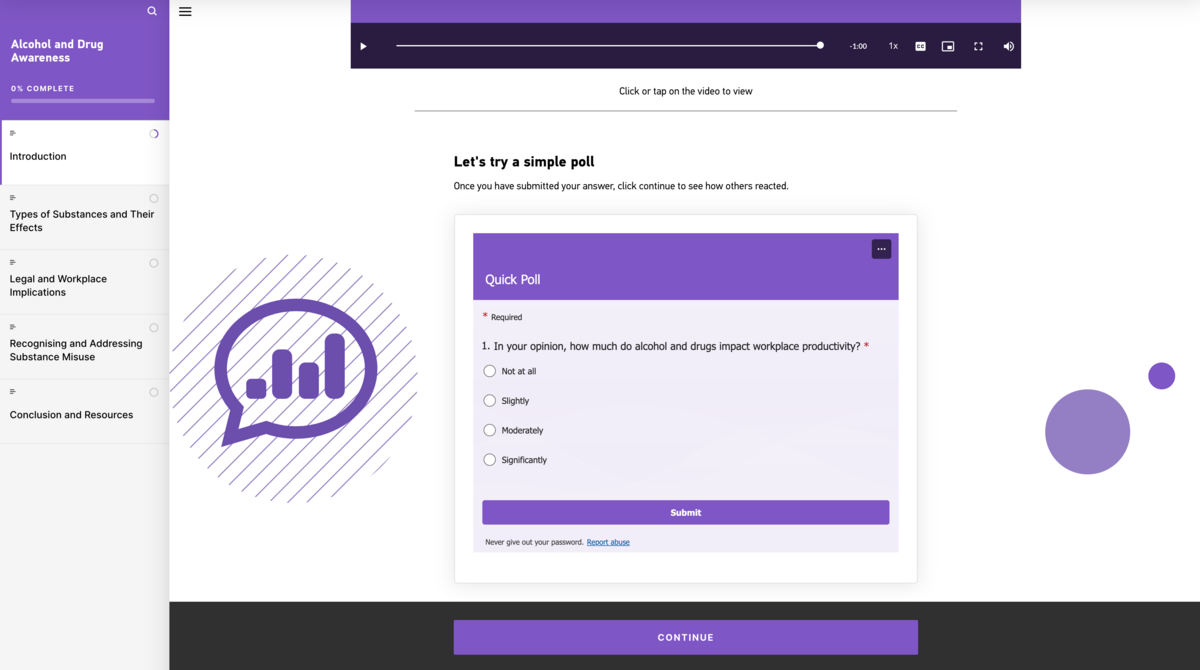
- Absence of Collaborative Features: There was no opportunity for learners to discuss the sensitive topic, share experiences, or learn from peers.
- Unengaging Media: The reliance on older, less dynamic media types did not resonate with contemporary learners.
These issues collectively resulted in low completion rates, poor knowledge transfer, and a failure to adequately meet the organisation's compliance and employee well-being objectives related to alcohol and drug awareness.
Tools Used
- Articulate Rise 360: Authoring tool for SCORM package delivery
- Adobe Creative Suite: Video editing, graphic design, and creating visual assets
- Microsoft Forms: Collecting structured qualitative feedback from learners
- Learning Management System (LMS): Hosting the SCORM package, tracking completion.
Solution
The solution involved a complete overhaul guided by principles of microlearning, engaging multimedia, and social learning. The approach included:
- Content Modernizsation: Working closely with Subject Matter Experts (SMEs) within Places for People, the course content was thoroughly reviewed and updated to ensure accuracy, relevance, and alignment with current policies and best practices.
- Microlearning Design: The course was restructured into concise, bite-sized modules specifically designed to be completed in under 15 minutes total. This involved ruthless editing and prioritizing the most critical information.
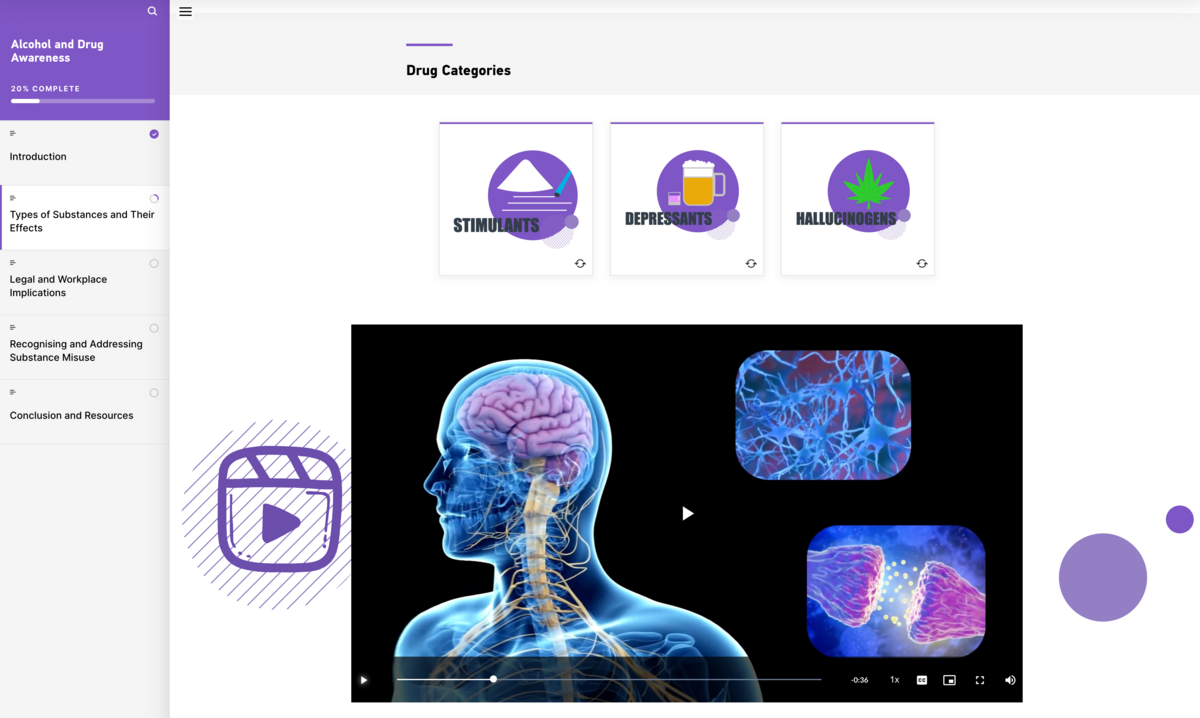
- Enhanced Engagement: Utilising Articulate Rise 360's capabilities, interactive elements such as knowledge checks, scenarios, and varied block types were incorporated.
- Collaborative Features: While Rise 360 has limitations in native social features, the design incorporated prompts for reflection and discussion, integrated potentially with LMS discussion forums or linked MS Forms for shared feedback collection, encouraging learners to think beyond the individual module. The instructional design framed the topic to encourage later peer-to-peer conversations facilitated by managers or team leads.
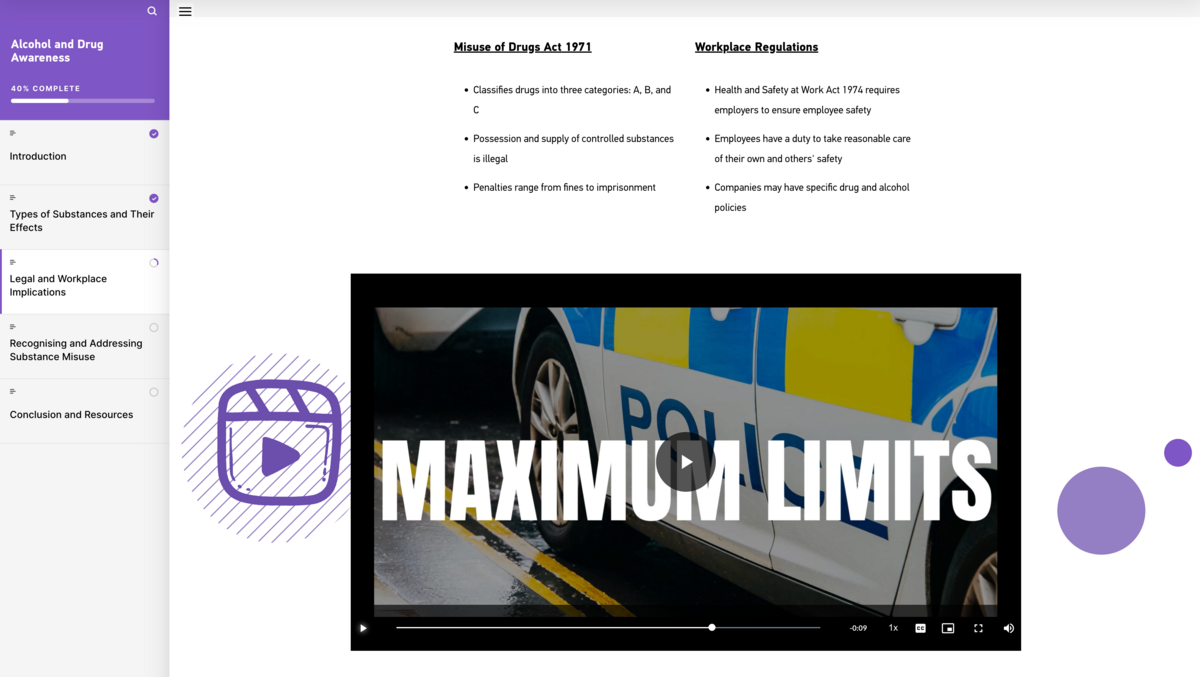
- Modern Video Integration: Engaging, scenario-based videos were sourced or created using Adobe Creative Suite tools. These videos were designed to be relatable, visually appealing, and easily updatable in the future if needed, ensuring longevity.
- Data-Driven Improvement: The course was designed with specific tracking points within the LMS to monitor completion rates, time spent, and assessment scores. Additionally, an MS Form was implemented to gather qualitative feedback directly from learners regarding content clarity, engagement, and perceived relevance.
- Iterative Development: The project involved iterative reviews with SMEs and key stakeholders to ensure the content and design met organisational needs and learner expectations.
Impact
While specific post-launch quantitative data collection is ongoing, the anticipated and initial qualitative impacts of the redesigned course include:
- Increased Learner Engagement: The modern format, engaging video content, and interactive elements are expected to significantly boost learner interest and participation.
- Improved Knowledge Retention: The microlearning approach and focus on key concepts are designed to facilitate better absorption and recall of critical information.
- Enhanced Compliance: A more effective and accessible course is likely to lead to higher completion rates, ensuring a greater percentage of the workforce receives essential awareness training.
- More Efficient Learning: The reduction in course duration allows learners to complete the training quickly and return to their work, minimising disruption.
- Positive Learner Feedback: Early indications and the design for feedback collection suggest a more positive reception compared to the previous iteration.
- Foundation for Continuous Improvement: The integrated data tracking and feedback mechanisms provide actionable insights for future content updates and design refinements, ensuring the course remains effective over time.
Lessons Learned
- Microlearning and social learning are effective ways to engage learners, particularly with sensitive or compliance-heavy topics. Breaking content down and facilitating peer discussion, even outside the core module, enhances understanding and normalises the subject matter.
- Data analytics (LMS reporting) and direct learner feedback (MS Forms) can and should be used in tandem to effectively monitor course performance, identify areas for improvement, and demonstrate program effectiveness. Combining quantitative and qualitative data provides a holistic view.
- Close collaboration with Subject Matter Experts (SMEs) is essential for developing accurate, relevant, and effective courses, especially when overhauling existing content. Their input ensures the content meets specific organisational needs and compliance requirements.
- Designing for 'future-proof' content, particularly video, is crucial for reducing long-term maintenance costs. Focusing on evergreen topics or easily replaceable segments within videos adds significant value.
- Balancing content brevity with critical information coverage requires careful instructional design and rigorous editing. Prioritizing learning objectives is key when working with tight time constraints.
