
Food Safety Level 3
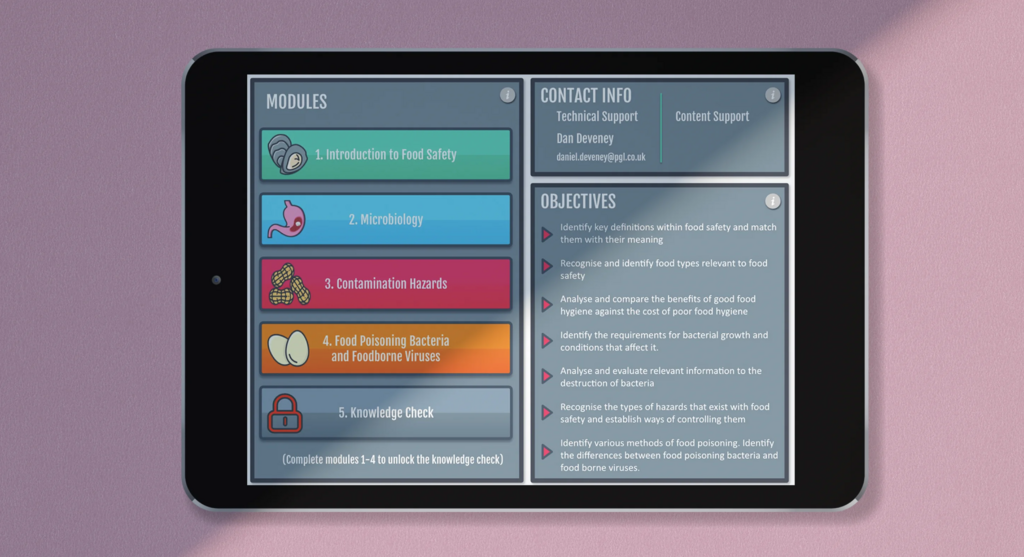
This project involved a comprehensive redesign of the existing Food Safety Level 3 certification training program. Recognising the limitations of a purely in-person format, a blended learning solution was developed and implemented to enhance cost-efficiency, improve accessibility, boost knowledge retention, and increase scheduling flexibility for approximately 120 employees annually. This initiative successfully integrated self-paced online learning with a focused in-person session, leveraging interactive eLearning modules and data analytics for continuous improvement and demonstrable impact.
PGL Travel Ltd
2019
Blended eLearning
End-to-End ID
Problem
The previous Food Safety Level 3 certification training program relied solely on in-person classroom sessions, which presented several significant challenges:
- High Logistical Costs: Substantial expenses were incurred due to employee travel, accommodation, and time away from their primary responsibilities.
- Limited Accessibility and Convenience: Scheduling in-person sessions that accommodated all employees' diverse needs and locations proved difficult.
- Suboptimal Knowledge Retention: The traditional lecture-based format struggled to ensure long-term understanding and application of critical food safety practices.
- Scheduling Inflexibility: The fixed schedules of in-person training created disruptions to daily operations and limited the pace of learning.
- Lower Engagement: The passive nature of some in-person training elements did not always maximise employee engagement with the subject matter.
Tools Used
- Learning Management System (LMS): Moodle - For hosting and tracking the online training components.
- eLearning Authoring Tool: Articulate Storyline - Used to create interactive online modules, including videos, simulations, and knowledge checks.
- Video Editing Software: Adobe Premiere Pro - For producing and editing engaging training videos.
- Data Analytics Tools: Used to track completion rates, test scores, identify areas of difficulty, and monitor the reduction in logistical costs.
Solution
To address these challenges, a blended learning solution was designed and implemented. This approach strategically combined the benefits of online and in-person learning:
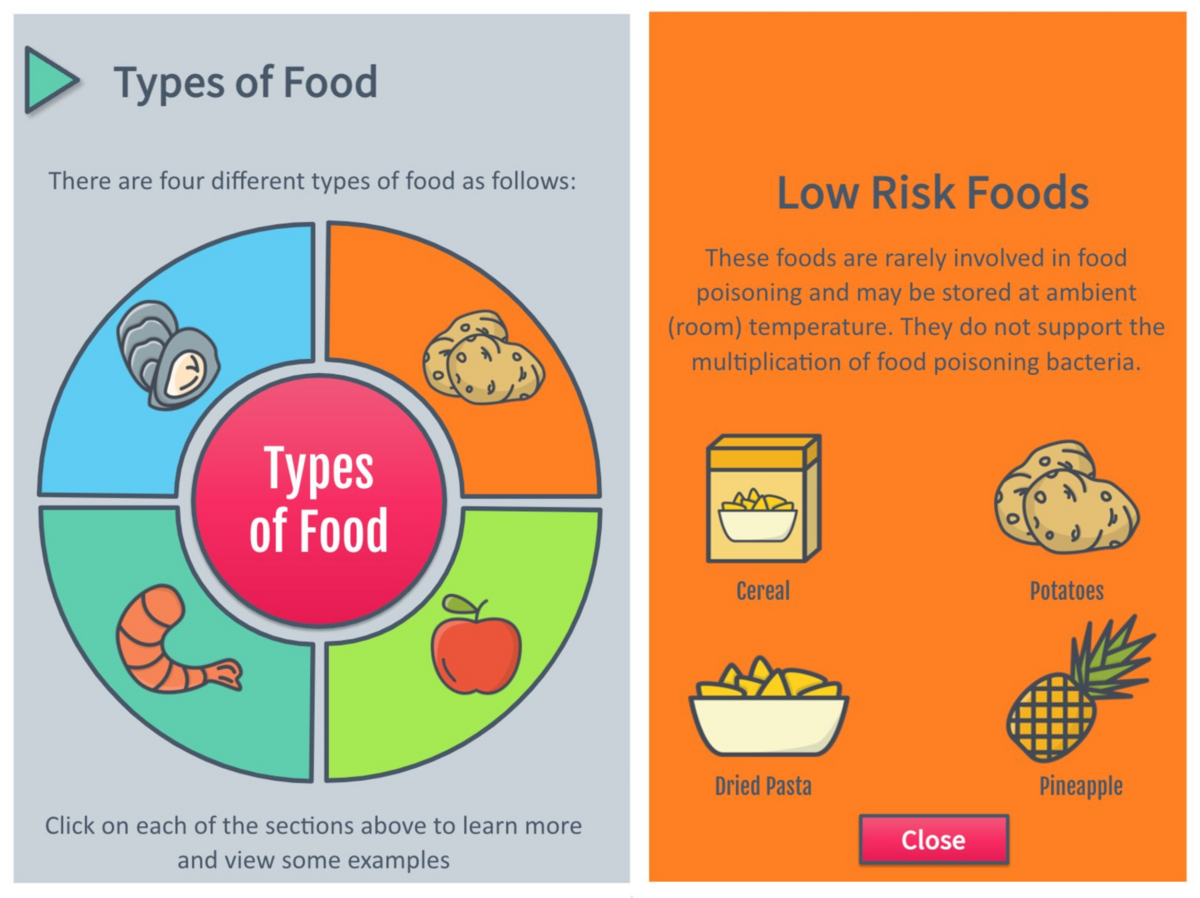
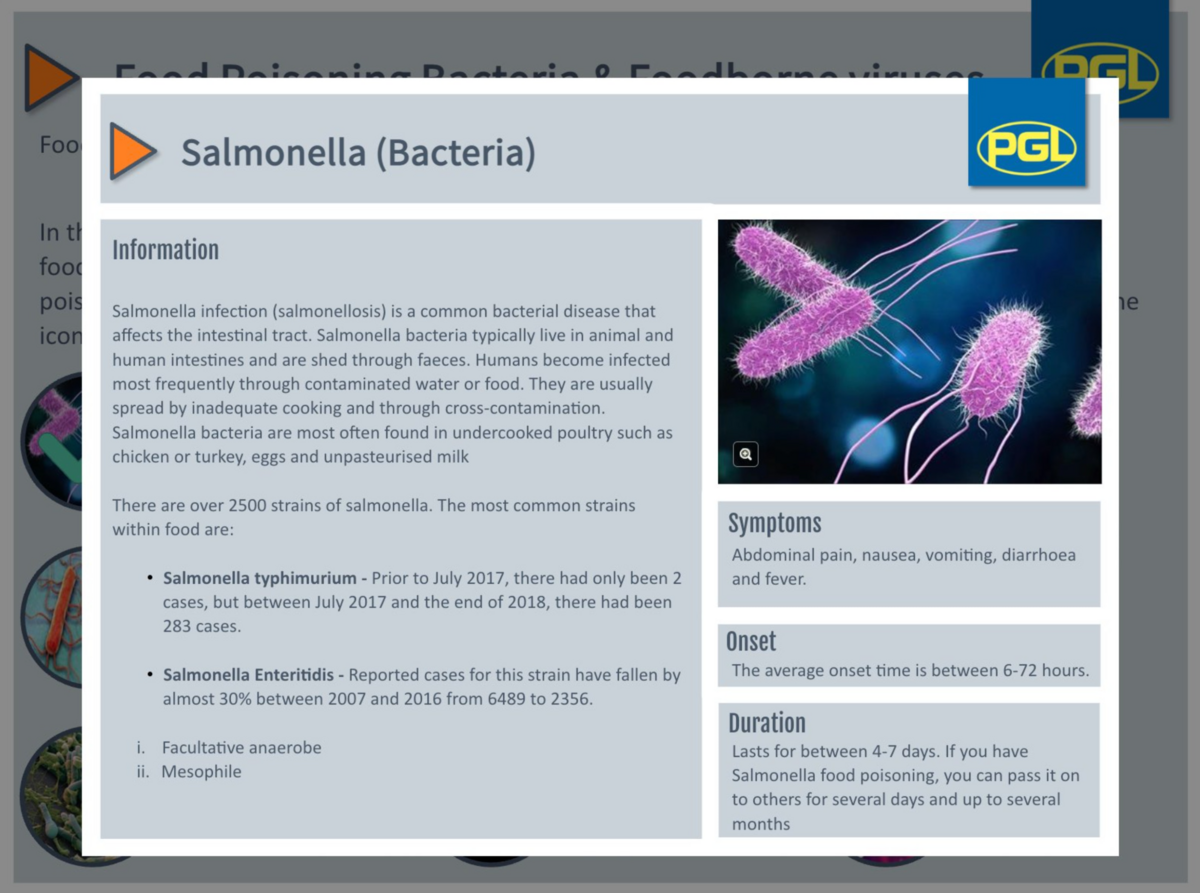
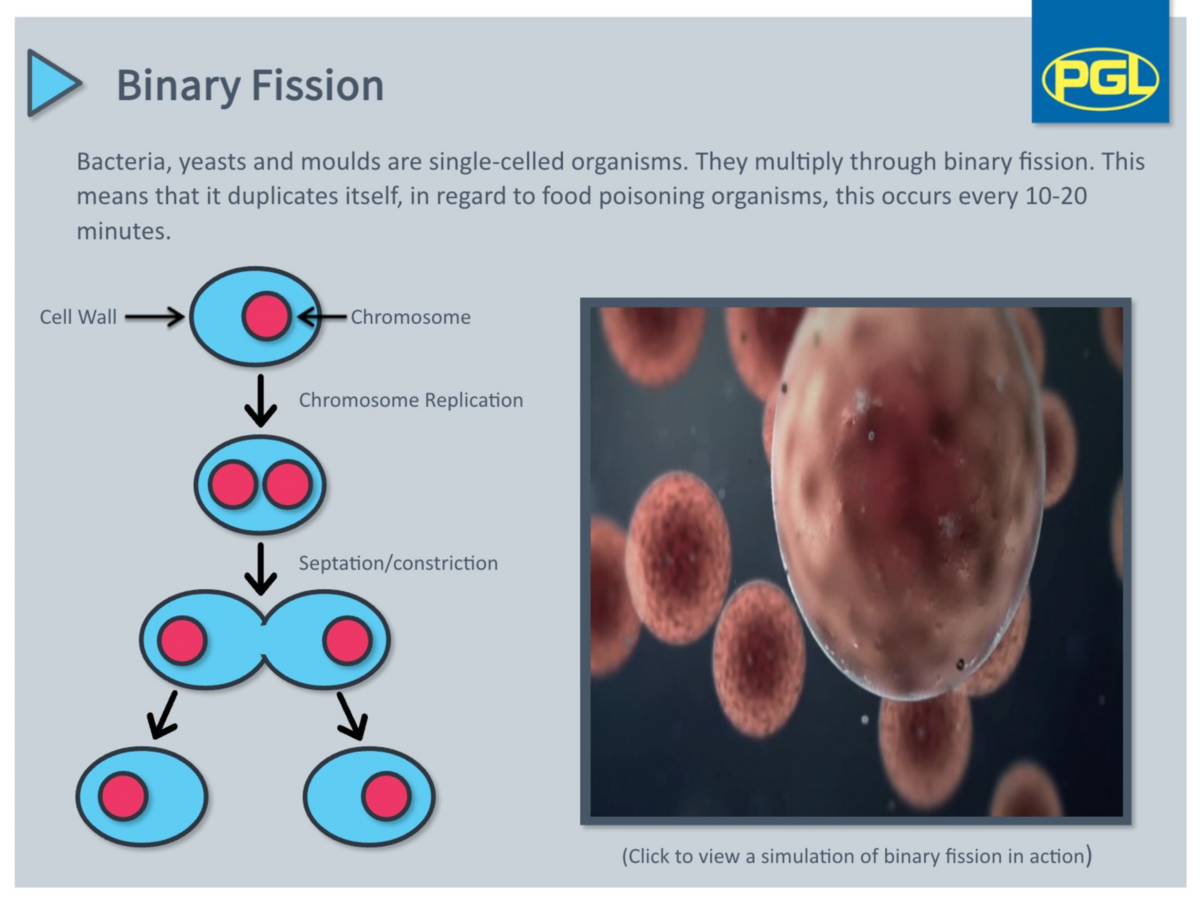
- Self-Paced Online Modules: Engaging and interactive eLearning modules were developed using Storyline 360. These modules incorporated videos, simulations, and integrated knowledge checks to actively involve learners and reinforce key concepts. The self-paced nature allowed employees to learn at their own speed and revisit materials as needed, promoting deeper understanding.
- Focused In-Person Session: A shorter, more focused in-person session was designed to build upon the online learning. This session concentrated on practical application, hands-on activities, and collaborative exercises to solidify the knowledge gained online and address specific workplace scenarios.
- Learning Management System (LMS): Moodle was utilised as the central platform to host the online modules, track learner progress, manage enrolment, and facilitate communication. This provided a structured and easily accessible learning environment.
- Data-Driven Approach: Data analytics tools were integrated through the LMS to continuously monitor completion rates, test scores, and identify areas where learners required additional support. This data informed ongoing improvements to the training program.
- Collaboration with Subject Matter Experts (SMEs): Close collaboration with food safety experts ensured the accuracy and relevance of the training content. Their expertise was crucial in developing practical and legally compliant materials.
- Incorporation of Learner Feedback: A pilot program was conducted, and feedback from participating employees was actively sought and incorporated to refine the online modules and in-person session, ensuring the program effectively met their needs.
Impact
- The implementation of the blended learning solution yielded significant positive impacts:
- Reduced Logistical Costs: The project successfully achieved the target of a 33% reduction in logistical expenses related to travel and accommodation, resulting in significant cost savings for the organisation.
- Improved Accessibility and Convenience: Training became more accessible and convenient for the 120 colleagues trained annually, eliminating the need for extensive travel and allowing them to learn at a time and pace that suited their schedules.
- Enhanced Knowledge Retention: The interactive and self-paced nature of the online modules, coupled with the practical application in the in-person session, contributed to improved knowledge retention and a deeper understanding of food safety practices.
- Streamlined Training Process and Increased Flexibility: The blended approach streamlined the training process, reducing the overall time commitment required for in-person training and providing greater scheduling flexibility for both employees and the organisation.
- Increased Employee Engagement: The engaging and interactive online modules, combined with the focused and practical in-person activities, led to increased employee engagement with the training content.
- Data-Informed Continuous Improvement: The use of data analytics provided valuable insights into learner performance and program effectiveness, enabling continuous monitoring and data-driven improvements to the training program over time.
Lessons Learned
- This project provided several valuable insights into the design and implementation of effective blended learning solutions:
- The Power of Blended Learning: The successful outcome clearly demonstrated the effectiveness of combining online and in-person learning to address the limitations of traditional training methods, leading to improved accessibility, knowledge retention, and cost-efficiency.
- Strategic Design of In-Person Sessions: The in-person session's focus on practical application and hands-on reinforcement proved crucial for solidifying online learning and addressing real-world scenarios. The shorter, focused format maximised its impact.
