
L&D Digital Upskilling Programme
This project involved the design, development, and facilitation of a comprehensive blended learning program for the British Red Cross. The primary aim was to enhance the digital learning capabilities of existing Learning & Development (L&D) professionals and effectively onboard new team members into the evolving digital learning landscape within the organisation.
British Red Cross
2020 - 2022
Blended Learning
Design and Facilitation
Problem
The British Red Cross L&D team faced the dual challenge of upskilling existing staff with modern digital learning design and development competencies while simultaneously needing a structured process to onboard new colleagues effectively.
There was a recognised gap in foundational knowledge of key instructional design models, adult learning principles, and proficiency with contemporary eLearning authoring tools.
Furthermore, the target audience possessed diverse levels of prior experience and varying learning preferences, necessitating a flexible and multi-modal learning approach.
Tools Used
- Authoring Tools: Articulate Storyline 360, Articulate Rise 360, Vyond.
- Delivery Platforms: Face-to-Face Workshops, Virtual Instructor-Led Training (Zoom/Microsoft Teams), Learning Management System (LMS)
- Collaboration: LMS Forums/Discussion Boards
Solution
A blended learning strategy was implemented, strategically combining multiple learning modalities to cater to diverse needs and maximise engagement and knowledge transfer. The solution included:
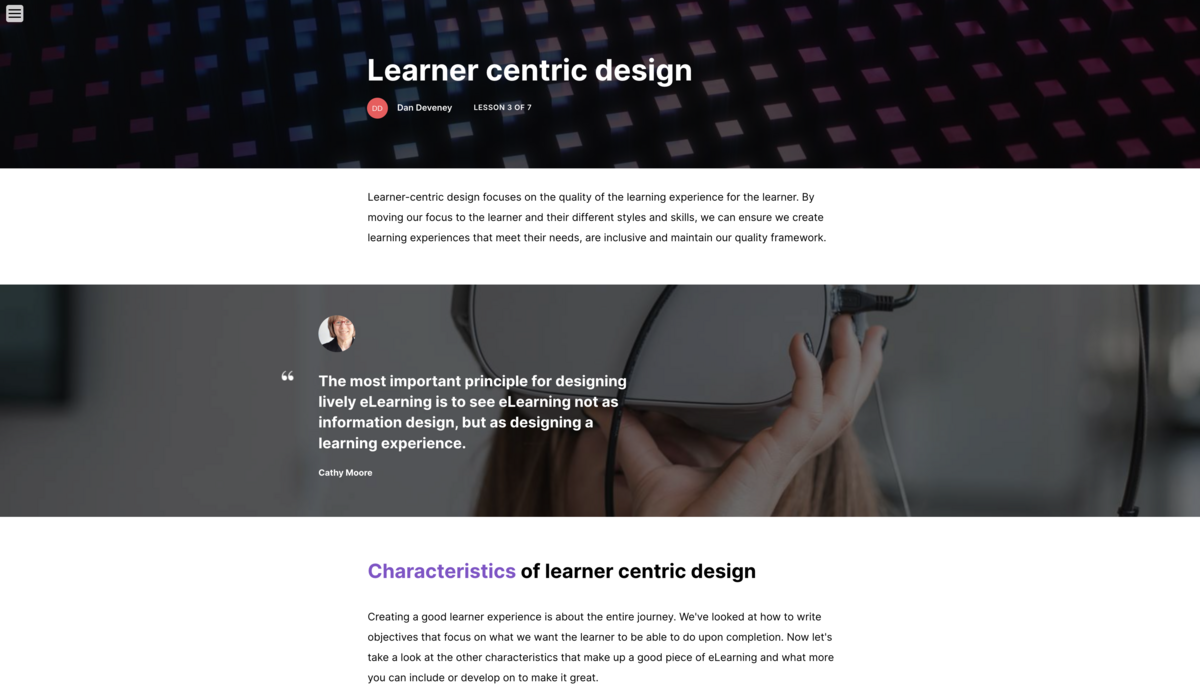
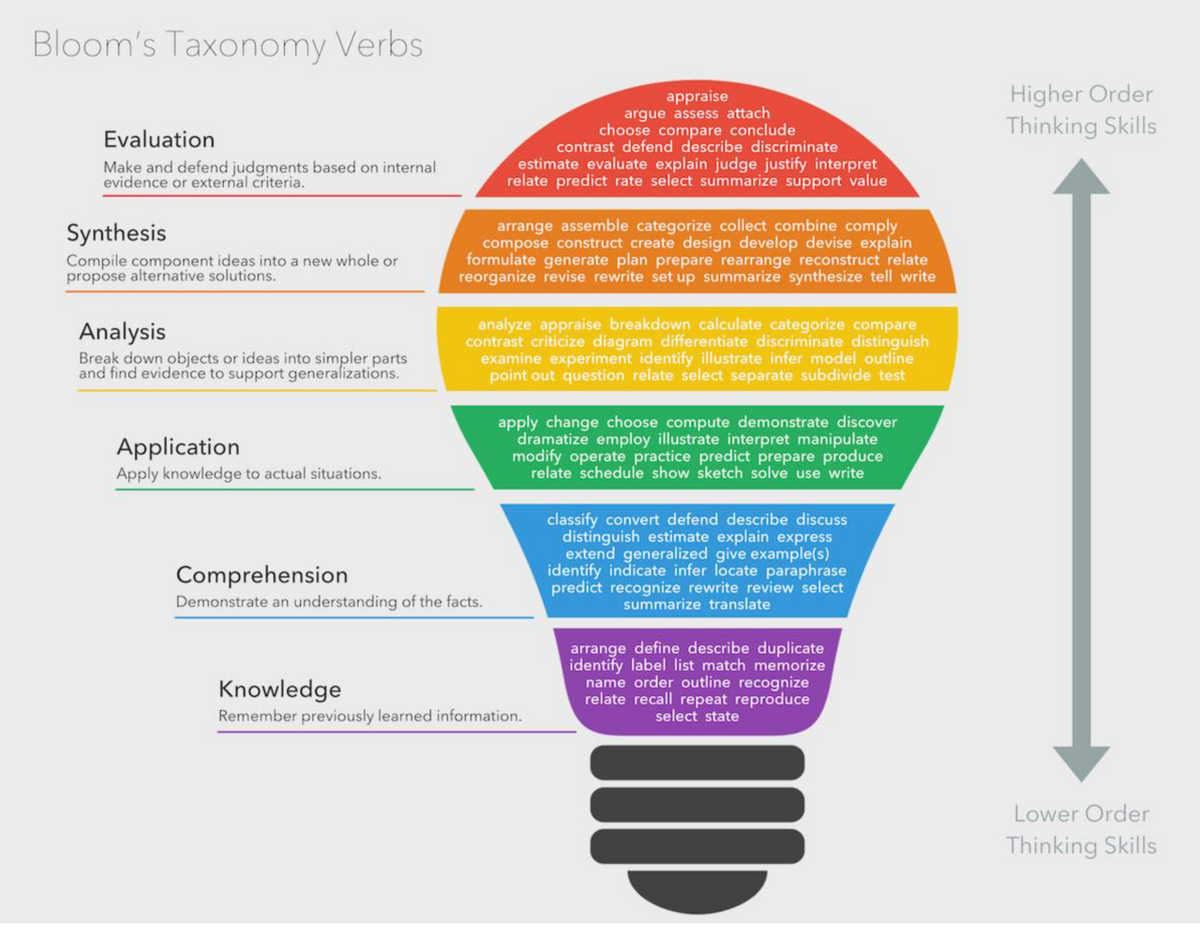
- Foundational Workshops (Face-to-Face): Interactive sessions established core concepts, including instructional design models (ADDIE, SAM) and key adult learning principles (Bloom's Taxonomy, Gagne's Nine Events, conscious/unconscious competence, VARK), fostering initial collaboration.
- Virtual Instructor-Led Training (vILT): Live online sessions provided opportunities for real-time reinforcement, Q&A, and facilitated discussions, ensuring concepts were understood and could be applied.
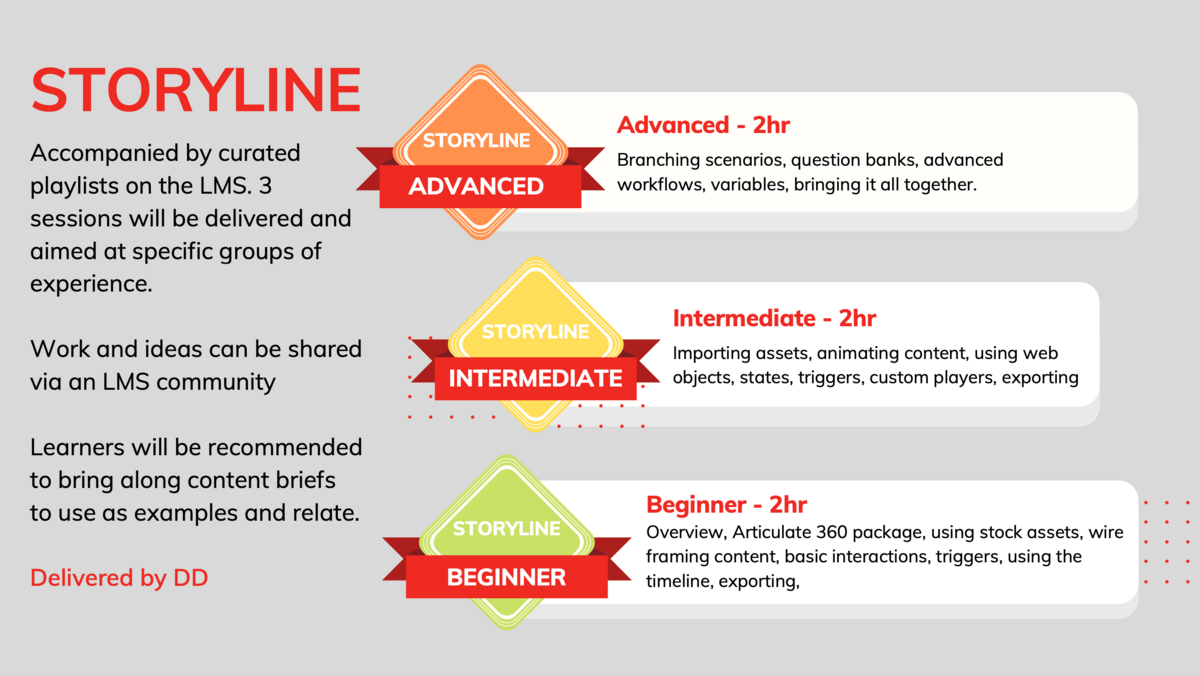
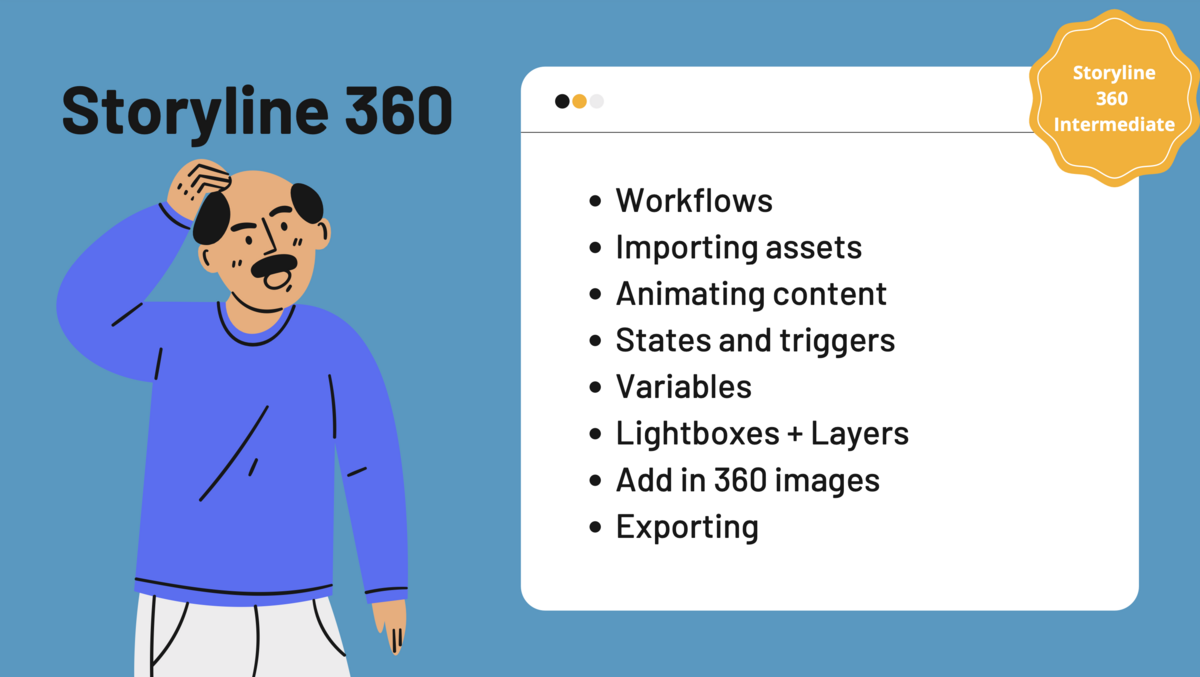
- Self-Paced eLearning Modules: Developed using Articulate Rise 360 and Storyline 360, these modules allowed participants to explore topics like tool proficiency (including Vyond for animation) at their own pace, reinforcing learning through interactive content designed with adult learners in mind.
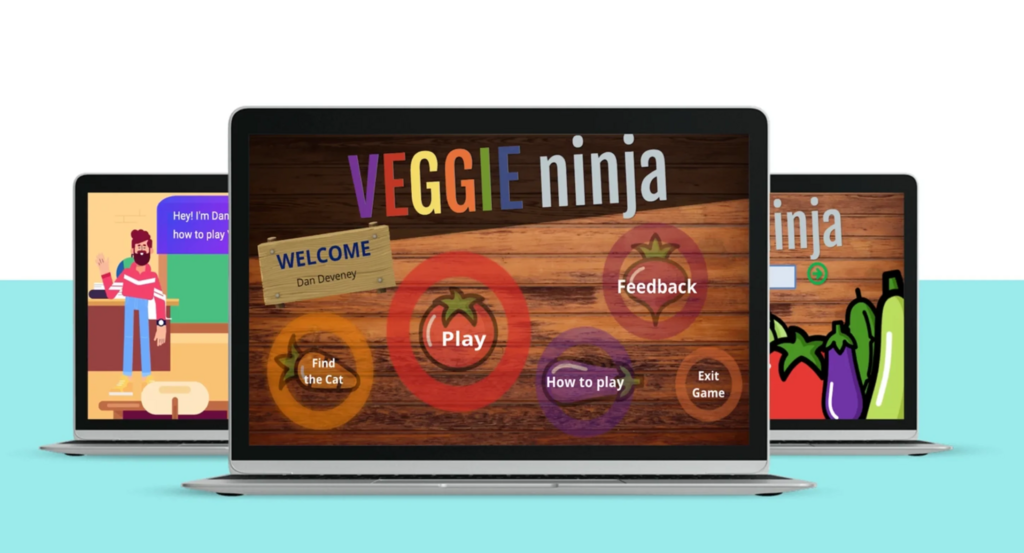
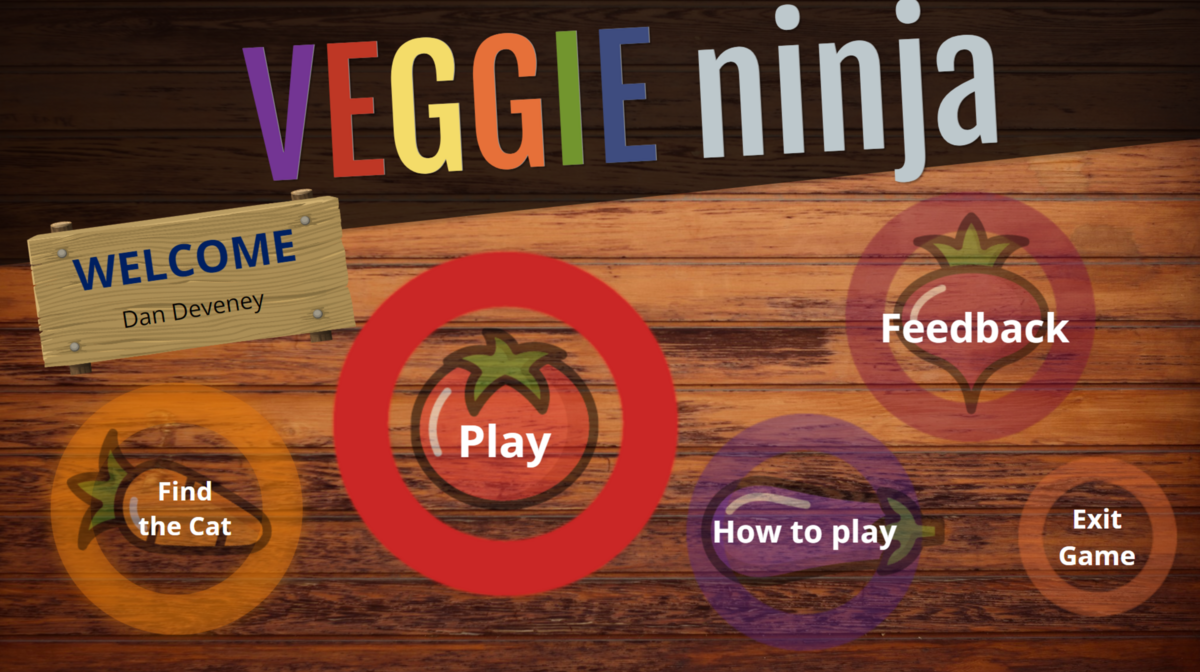
- Practical Application Project: Participants applied their learning culminatively by designing and developing a gamified learning activity, 'Veggie Ninja', using the tools and principles covered. This provided tangible evidence of skill acquisition.
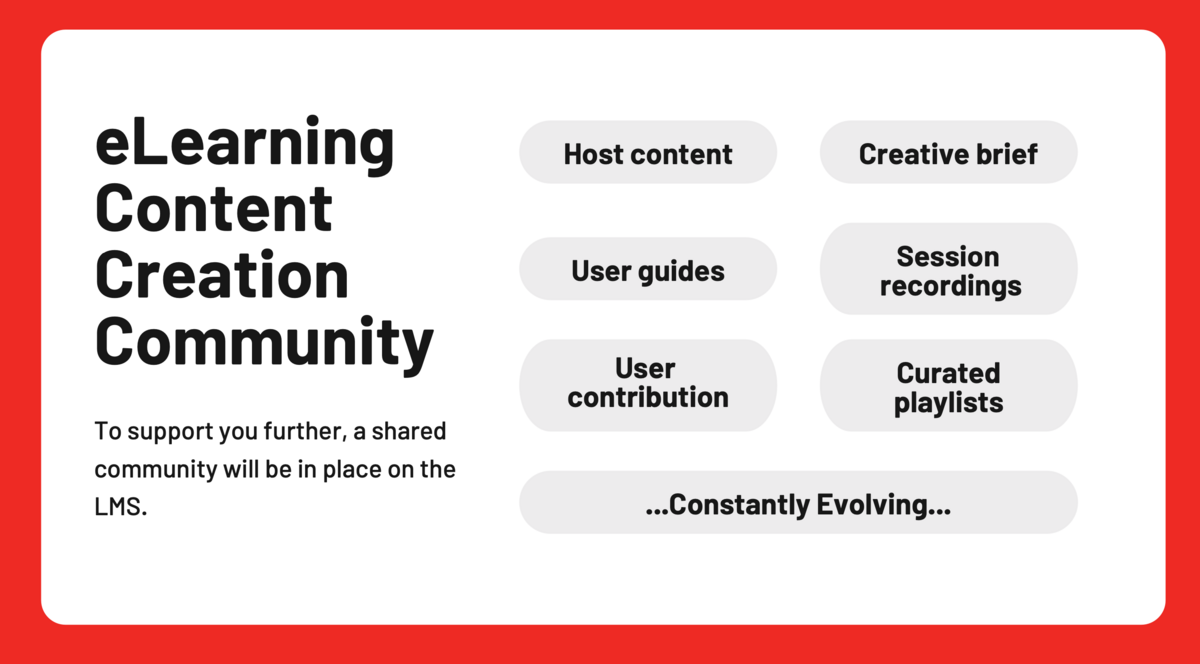
- Collaborative Learning Environment: Online forums, discussion boards, and collaborative activities within the LMS were integrated to encourage peer-to-peer learning, knowledge sharing, and ongoing support throughout the program.
- Data-Driven Monitoring: The LMS was utilised to track learner progress, engagement levels, and assessment results, providing data to inform program adjustments and evaluate effectiveness.
Impact
The program successfully equipped L&D professionals and new hires with essential digital learning competencies. Participants demonstrated a strong understanding of instructional design principles and adult learning theory, evidenced by their performance in assessments and the quality of the 'Veggie Ninja' projects.
Proficiency in key authoring tools (Storyline 360, Rise 360, Vyond) increased significantly across the team. The blended approach catered effectively to diverse learning styles, resulting in high engagement rates as tracked via the LMS. Qualitative feedback confirmed that the collaborative elements fostered a stronger, more supportive L&D community. Overall, the program enhanced the L&D team's capacity to create engaging and effective digital learning experiences for the British Red Cross.
Lessons Learned
This project underscored the critical importance of flexibility and adaptability in blended learning design, particularly when addressing audiences with varied experience levels. Providing multiple learning pathways and formats (F2F, vILT, self-paced) was key to participant success. The hands-on, gamified 'Veggie Ninja' project proved exceptionally effective for consolidating learning and demonstrating practical application in an engaging manner.
Furthermore, the experience highlighted the value of leveraging data analytics (from the LMS) and qualitative feedback loops for continuous program improvement and ensuring alignment with learning objectives and organisational needs. Fostering a strong sense of community through collaborative elements significantly enhanced the overall learning experience.
