
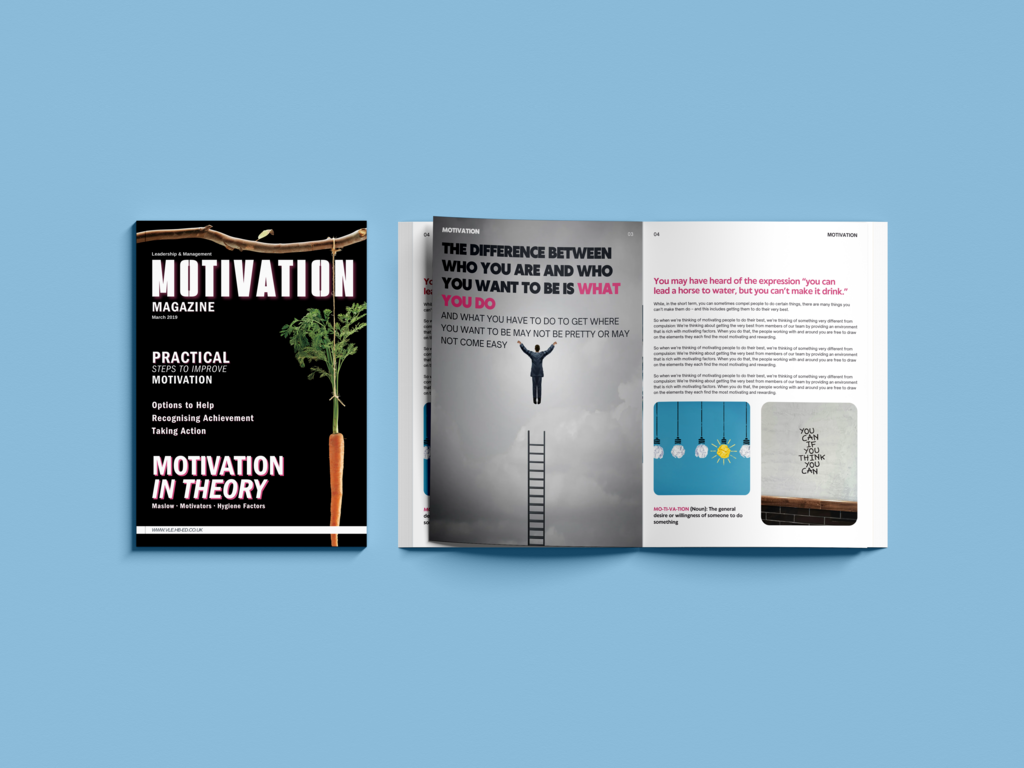
Leadership & Management Magazines
This project involved the design and development of a comprehensive suite of twelve interactive e-magazines. These resources were specifically created to serve as post-learning support materials for participants of a blended leadership and management development program. Each e-magazine focused on a core leadership or management competency, providing accessible and engaging content to reinforce key concepts and skills learned during the formal program sessions.
PGL Travel Ltd.
2019
Blended
Designer
Problem
A common challenge in leadership and management development programs, particularly those employing a blended approach, is ensuring sustained learning and application of skills beyond the formal training sessions. Participants often struggle to retain information, practice new behaviours, or easily access relevant support materials once the structured part of the program concludes.
There was a clear need for an engaging, easily digestible, and readily available resource that participants could access at their own pace to refresh their understanding, explore topics in more detail, and continue their learning journey in a flexible format. Traditional methods like static PDFs or simple handouts were not proving sufficient in maintaining learner engagement and promoting knowledge retention in a dynamic work environment.
Tools Used
- Adobe InDesign with interactive overlays.
- Adobe Captivate - For creating interactive elements like quizzes and integrating multimedia
- Adobe Photoshop, Illustrator - Imagery and graphics
Solution
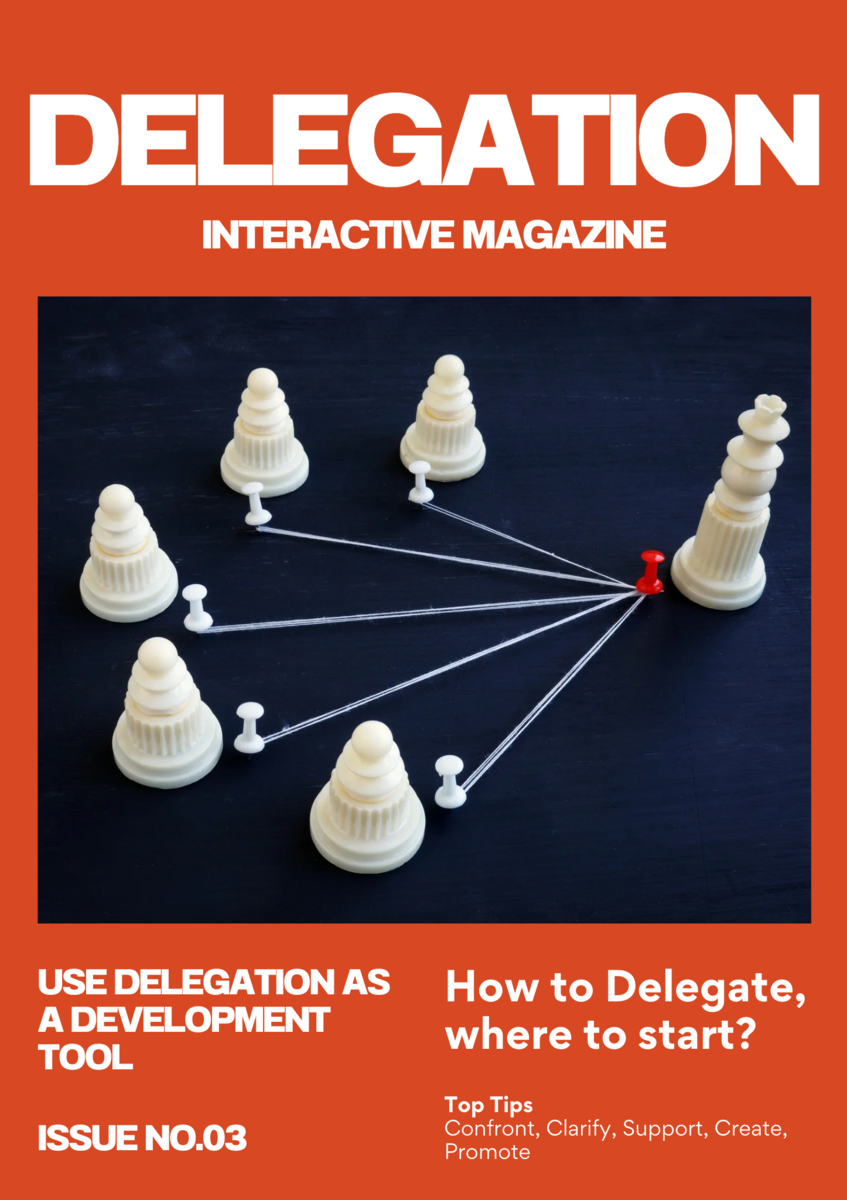
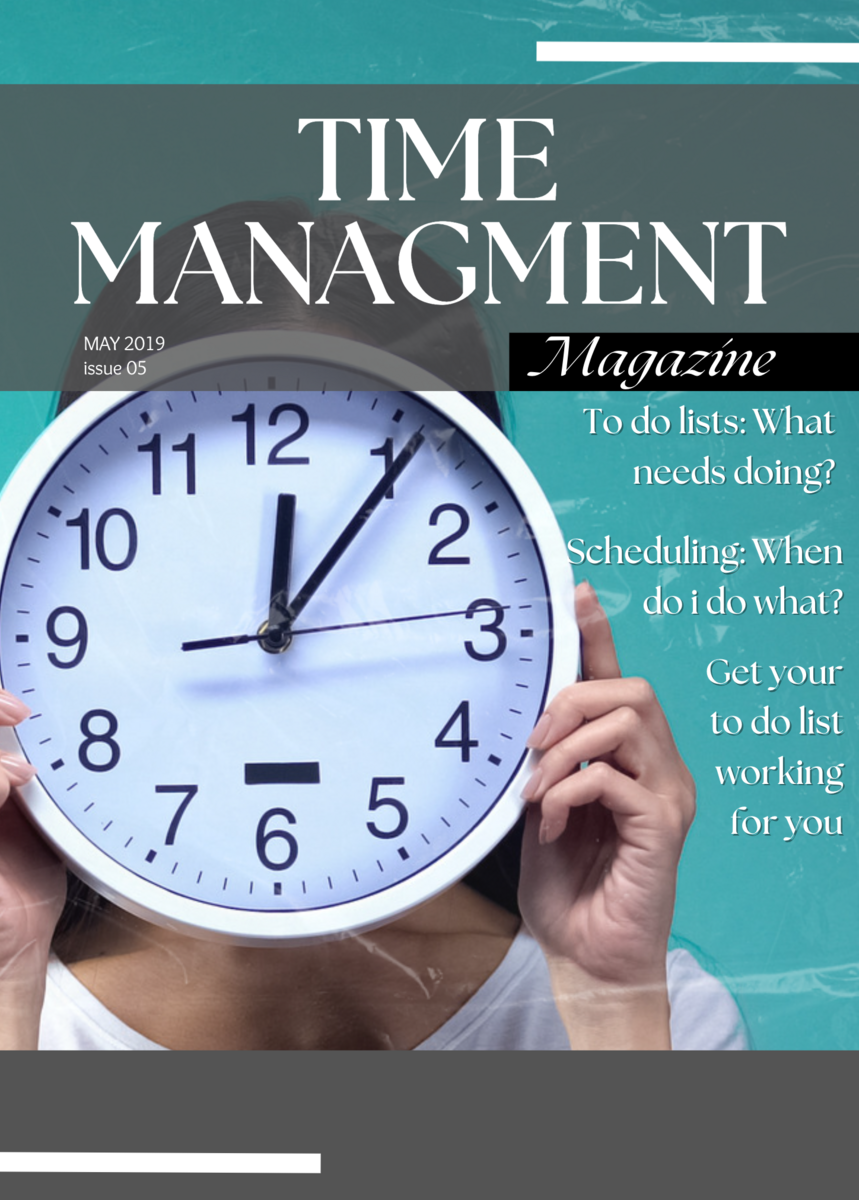
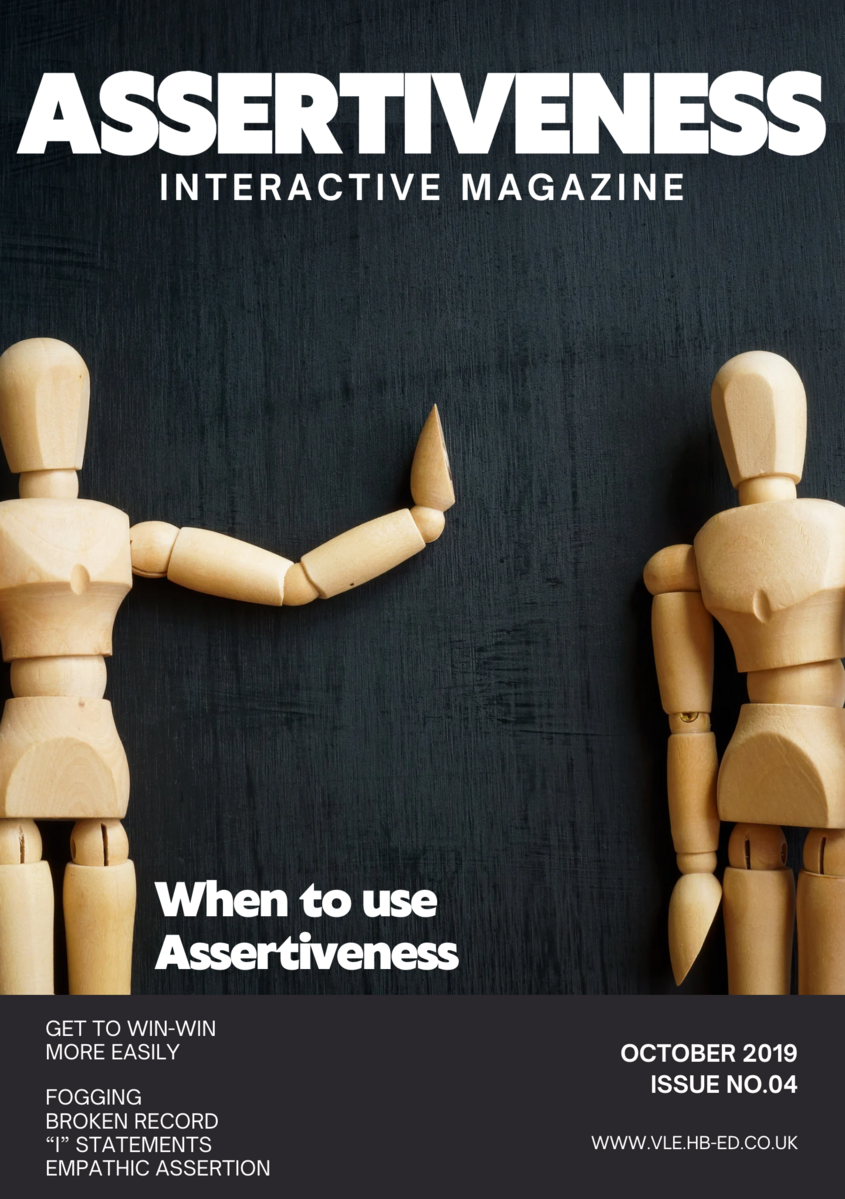
The solution was the conception, design, and development of a series of twelve distinct e-magazines. Leveraging digital publishing capabilities, each magazine was crafted to be more than just a static document; they were designed as interactive learning aids. Each e-magazine focused on a critical competency: Assertiveness, Conflict Resolution, Delegation, Leading Effective Meetings, Listening and Communication, Motivation, Negotiation Skills, Networking, Presentation Skills, Pressures and Stress Management, Problem Solving, and Time Management.
The content within each magazine was carefully curated to complement the core program material, offering practical tips, real-world examples, and actionable strategies. To enhance engagement and cater to varied learning preferences, the e-magazines incorporated interactive elements such as clickable graphics, embedded videos demonstrating techniques or providing expert insights, and 'buzzquiz' style self-assessment questionnaires to help learners check their understanding and reflect on their own practices. The digital format allowed for easy distribution and access across multiple devices, ensuring participants could engage with the content whenever and wherever was convenient for them.
Impact
The impact of the e-magazine series was significant and exceeded initial expectations. The engaging and accessible format was highly popular with program participants, leading to increased post-program engagement with the learning content. Feedback indicated that the interactive elements, particularly the videos and quizzes, were particularly valued for making the reinforcement process enjoyable and effective. The success and positive reception were such that the e-magazines were not only widely used by participants but were also subsequently rolled out to a broader audience within the organisation.
Furthermore, due to their perceived value and the demand for alternative formats, the content was successfully adapted and printed for use in centres where digital access was limited or a physical resource was preferred, demonstrating the robustness and adaptability of the core content design. This project significantly enhanced the sustainability and reach of the leadership and management development initiatives.
Lessons Learned
- This project reinforced several key lessons about designing effective post-program learning support. Firstly, the power of combining well-structured content with interactive and multimedia elements cannot be underestimated in maintaining learner engagement outside of formal sessions. Static resources are far less effective for sustained learning. Secondly, providing content in a magazine-like format proved to be very appealing, offering a less formal, more browsable alternative to traditional training manuals. It highlighted the importance of packaging learning content in user-friendly and visually attractive ways. Finally, the project demonstrated the value of creating content that is adaptable across different delivery methods (digital and print), showcasing the importance of designing with potential future uses and diverse learner contexts in mind. The success underlined that effective post-learning support is crucial for maximising the return on investment in training programs.
