

Matrix Reloaded
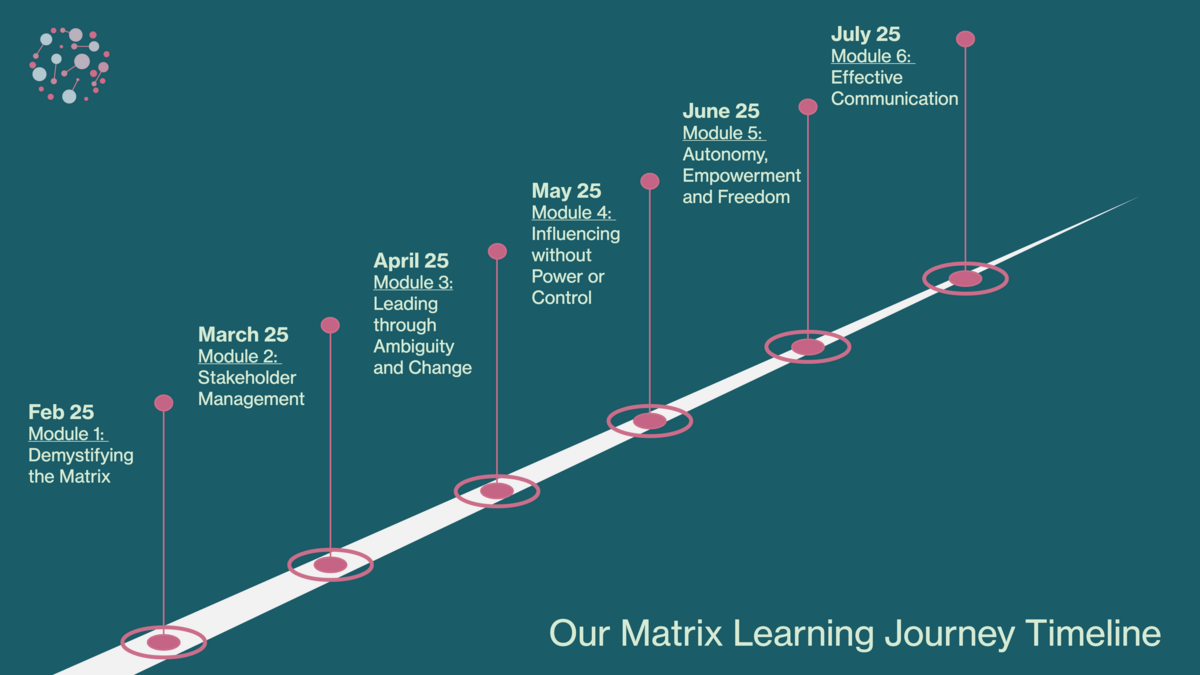
This six-month blended learning initiative, "Matrix Reloaded," was designed for Places for People in 2025. It was a critical program aimed at guiding senior leaders, middle managers, and people managers through the significant organisational shift from a traditional hierarchical structure to a dynamic matrix model. As the lead Learning Experience Designer, I was responsible for the end-to-end digital learning journey, encompassing strategic content development, delivery mechanisms, and ongoing program support. The core objective was to equip leaders with the necessary skills and mindset to operate effectively within a matrix environment, fostering a culture of enhanced collaboration, agility, and accountability across the organisation.
Places for People
2024
eLearning
End-to-End Development
Problem
Places for People was transitioning from a established hierarchical structure to a matrix organisation. This significant change presented substantial challenges for leaders at all levels. The existing hierarchical mindset and operational processes were not conducive to the cross-functional collaboration, shared accountability, and rapid decision-making required in a matrix model.
Leaders lacked the specific skills, understanding, and confidence needed to navigate dotted-line reporting, manage conflicting priorities across teams, empower diverse groups, and drive collective outcomes in this new structure.
Without targeted intervention, this transition risked leading to confusion, reduced productivity, siloed working, and failure to realise the intended benefits of the matrix structure, such as increased agility and innovation.
There was a clear need for a scalable, effective, and engaging learning solution to facilitate this critical organisational change.
Tools Used
- Adobe Creative Suite: Utilised for the creation of visually appealing graphic assets, engaging video content, and overall multimedia development for the digital learning modules.
- Microsoft Teams: Served as the central hub for program communication, facilitating live virtual sessions, hosting collaborative discussion forums, and providing a platform for ongoing learner support and interaction.
- MS Forms: Employed for collecting learner engagement data, conducting formative and summative assessments, gathering feedback on program effectiveness, and providing data points for demonstrating program impact.
Solution
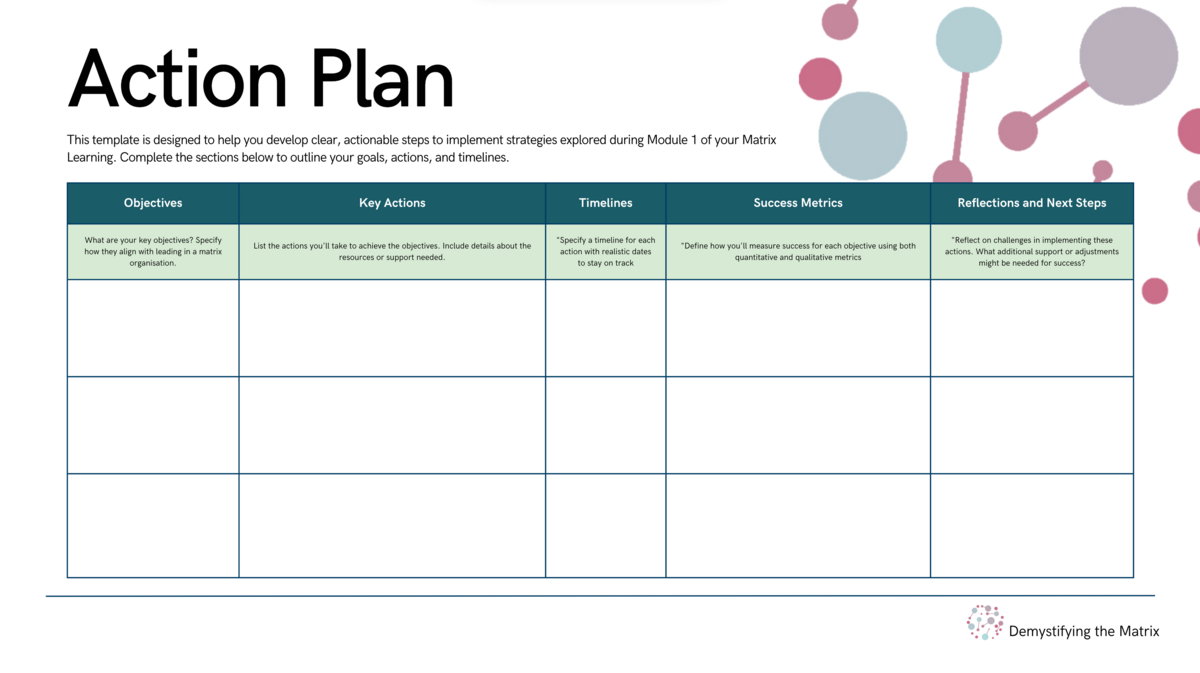
The "Matrix Reloaded" program was developed as a comprehensive blended learning solution. It strategically combined self-paced online modules with live, virtual instructor-led sessions and practical on-the-job application exercises. This blend was specifically chosen to accommodate varied learning preferences, busy schedules, and the need for both conceptual understanding and practical skill development.
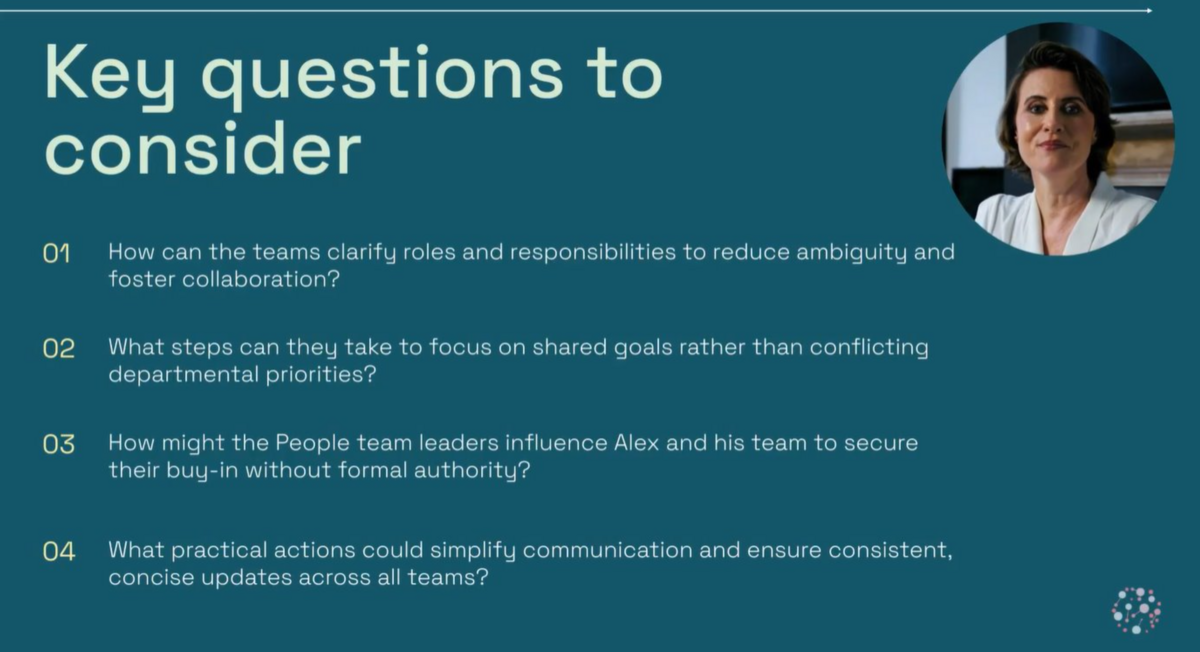
The learning design was deeply rooted in adult learning principles, prioritising learner autonomy, immediate relevance to their roles, and opportunities for practical application. Complex concepts inherent to matrix operations were broken down into accessible, bite-sized microlearning modules for improved comprehension and retention. To foster a sense of community and shared learning, social learning opportunities were integrated through dedicated Microsoft Teams channels and discussion forums, enabling peer interaction and knowledge exchange.
The program content covered key areas such as understanding matrix reporting lines, effective communication and influence across functions, managing ambiguity and conflict, empowering distributed teams, and driving shared accountability for collective goals. An iterative design and development process, incorporating continuous user feedback through surveys and focus groups, ensured the content remained relevant, engaging, and directly addressed the evolving needs of the learners during the transition.
Impact
The "Matrix Reloaded" program played a crucial role in supporting Places for People's transition to a matrix organisation. While specific quantitative metrics like increased project completion rates or changes in employee satisfaction linked directly to the program were tracked through data analysis, the qualitative feedback and observed behavioural shifts indicated positive impact.
Key outcomes included:
- Enhanced Leader Capability: Leaders demonstrated a greater understanding of matrix principles and an increased ability to navigate complex reporting relationships and priorities.
- Improved Collaboration: Anecdotal evidence and focus group feedback suggested increased cross-functional communication and collaboration among teams.
- Cultural Shift: The program contributed to fostering a mindset shift towards greater empowerment and shared accountability, foundational elements of a successful matrix structure.
- Increased Agility Foundation: By equipping leaders with the necessary skills, the program laid the groundwork for improved organisational agility and responsiveness.
- Scalable Delivery: The blended approach provided a flexible and scalable solution to reach a large, diverse audience across the organisation.
- Data-Driven Improvement: The data gathered from engagement tracking and feedback mechanisms informed continuous improvement cycles for the program itself.
The program was successful in building the foundational leadership capabilities required for the new organisational model, receiving positive feedback for its relevance and practical application.

Lessons Learned
Several key lessons emerged from the "Matrix Reloaded" project that underscore best practices in large-scale organisational change initiatives:
- Prioritise Early and Sustained Stakeholder Engagement: Securing buy-in and active involvement from senior business partners and leadership from the project's inception and maintaining consistent communication and feedback loops throughout the lifecycle was absolutely critical for alignment and program success.
- Embrace Iterative Design Based on Feedback: The dynamic nature of the organisational transition and the complexity of the topic necessitated an agile, iterative design and development process. Continuously gathering and integrating user feedback ensured the learning experience remained relevant and effective as the organisation evolved.
- Establish a Robust Measurement Strategy Upfront: Defining clear, measurable objectives and establishing the methods for collecting and analysing data before program launch is essential for effectively demonstrating program value, understanding impact on key business outcomes, and justifying future investment in learning initiatives.
- Build in Flexibility and Adaptability: The inherent complexity and evolving nature of transitioning to a matrix organisation highlighted the need for the learning program itself to be flexible and adaptable, capable of responding to unforeseen challenges and changing organisational needs throughout the six-month period.
This project significantly reinforced the importance of strategic planning, collaborative partnerships, data-informed decision-making, and learner-centric design in driving successful large-scale organisational learning and change.
